

Summary
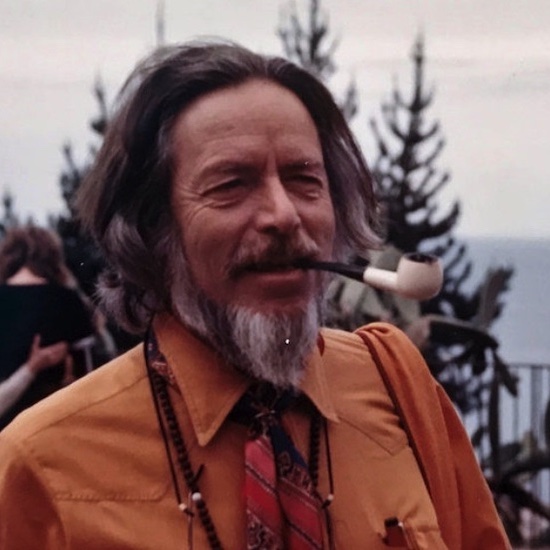
Alan Watts, a British philosopher and interpreter of Eastern philosophy for Western audiences, played a pivotal role in introducing concepts like Zen Buddhism, Taoism, and Hinduism to the West. His work emphasized the harmony between Eastern spirituality and Western thought, advocating for a more holistic understanding of life. However, ongoing research and theories suggest that the globalization of Eastern ideas—particularly in medicine and nature-based practices—has led to the erosion or commodification of ancient wisdom. This raises questions about whether this blending has been a genuine cultural exchange or a purposeful dilution of Eastern traditions to fit Western paradigms.
Background
Eastern philosophies have long emphasized interconnectedness, mindfulness, and harmony with nature. Practices such as Ayurveda, Traditional Chinese Medicine (TCM), and Zen meditation are rooted in these principles. Alan Watts, through his writings and lectures, sought to bridge the gap between Eastern and Western worldviews, making these ideas accessible to a broader audience. However, as Eastern practices have been adopted in the West, concerns have arisen about their misinterpretation, commercialization, and loss of authenticity.
Key Concepts Under Research
1. The Blending of East and West
Alan Watts argued that Eastern and Western philosophies are not mutually exclusive but complementary. He believed that Eastern spirituality could address the existential crises of the modern Western world, such as alienation and materialism. Ongoing research explores how this blending has influenced Western thought, from psychology (e.g., mindfulness-based therapies) to environmentalism (e.g., eco-spirituality).
2. The Commodification of Eastern Wisdom
As Eastern practices like yoga, meditation, and herbal medicine have gained popularity in the West, they have often been stripped of their cultural and spiritual context. Researchers are examining how this commodification has led to the erosion of ancient wisdom, with practices being repackaged for profit or reduced to superficial trends. For example, yoga, once a deeply spiritual practice, is now often marketed as a fitness routine.
3. The Erosion of Traditional Medicine
Traditional Eastern medical systems, such as Ayurveda and TCM, are based on holistic principles that view the body, mind, and environment as interconnected. However, as these systems are integrated into Western healthcare, there is concern that their core principles are being diluted or ignored. Ongoing research investigates whether this integration has led to the loss of traditional knowledge and whether it represents a form of cultural appropriation.
4. The Role of Globalization
Globalization has facilitated the spread of Eastern ideas but has also contributed to their homogenization. Scholars are studying how the dominance of Western scientific and economic paradigms has marginalized traditional Eastern practices, leading to their decline in their countries of origin. This raises questions about the ethics of cultural exchange and the preservation of indigenous knowledge.
Theories in Question
1. Purposeful Erosion of Eastern Ideas
Some theorists argue that the erosion of Eastern wisdom is not accidental but purposeful, driven by Western economic and cultural dominance. They suggest that Eastern practices have been selectively adopted and modified to fit Western frameworks, while their deeper philosophical and spiritual dimensions are ignored or suppressed.
2. The Role of Alan Watts in Cultural Translation
While Alan Watts is celebrated for making Eastern philosophy accessible, some critics argue that his interpretations were overly simplified or tailored to Western audiences. This has led to debates about whether his work contributed to the misunderstanding or dilution of Eastern traditions.
3. The Impact on Environmental Ethics
Eastern philosophies emphasize harmony with nature, a concept that has influenced Western environmental movements. However, researchers are questioning whether this influence has been superficial, with Western societies adopting Eastern ideas without fully embracing their ethical and spiritual foundations.
Evidence Under Scrutiny
Supporting the Theories
- Commercialization: The rise of a multi-billion-dollar wellness industry, which often commodifies Eastern practices, supports claims of cultural erosion.
- Loss of Traditional Knowledge: Studies show that younger generations in Eastern countries are increasingly abandoning traditional practices in favor of Western lifestyles.
- Cultural Appropriation: Instances of Eastern symbols and practices being used out of context or for profit highlight the risks of globalization.
Challenging the Theories
- Cultural Exchange: Some argue that the blending of East and West has led to positive outcomes, such as the integration of mindfulness into Western psychology.
- Adaptation: Eastern practices have historically evolved and adapted to new contexts, suggesting that their current forms may be part of a natural progression.
- Preservation Efforts: Initiatives to document and preserve traditional knowledge are helping to counteract the effects of erosion.
Analysis
The blending of Eastern and Western philosophies, as championed by Alan Watts, has opened new avenues for understanding and addressing global challenges. However, the commercialization and homogenization of Eastern wisdom raise important questions about cultural integrity and the ethics of globalization. Ongoing research seeks to balance the benefits of cultural exchange with the need to preserve and respect ancient traditions.
Sources
- The Way of Zen by Alan Watts
- The Book: On the Taboo Against Knowing Who You Are by Alan Watts
- Eastern Religions and Western Thought by Sarvepalli Radhakrishnan
- The Globalization of Traditional Medicine by Gerard Bodeker and Gemma Burford
- UNESCO’s Efforts to Preserve Traditional Knowledge
Related Theories
- Cultural Appropriation: The adoption of elements of one culture by members of another culture, often without permission.
- Globalization and Homogenization: The process by which local cultures are influenced by global forces, leading to a loss of diversity.
- Eco-Spirituality: The integration of spiritual principles with environmental ethics, often drawing on Eastern philosophies.
 The Conspiracy Library
Leave a comment