

Summary
Climate change is one of the most pressing issues of our time, with scientists warning of catastrophic consequences if global temperatures continue to rise. While individuals are often encouraged to reduce their carbon footprint through actions like recycling, using public transport, and cutting energy consumption, research suggests that these efforts pale in comparison to the impact of large corporations and the ultra-wealthy. This article explores the ongoing debate about who bears the greatest responsibility for climate change and whether individual actions are enough to make a meaningful difference.
Background
The scientific consensus is clear: human activities, particularly the burning of fossil fuels, are the primary drivers of climate change. Governments, organizations, and individuals have been urged to take action to reduce greenhouse gas emissions. However, the distribution of responsibility is highly unequal.
- Individual Actions: While individual efforts are important, studies show that household carbon footprints account for a relatively small percentage of global emissions.
- Corporate Impact: A 2017 report by the Carbon Majors Database revealed that just 100 companies are responsible for 71% of global emissions since 1988.
- Wealth Disparity: The world’s wealthiest 1% produce more than double the carbon emissions of the poorest 50%, according to a 2020 study by Oxfam and the Stockholm Environment Institute.
The Debate
The disparity between individual and corporate responsibility has sparked a heated debate. On one side, activists argue that focusing on individual actions distracts from the need to hold corporations and governments accountable. On the other side, some believe that collective individual efforts can drive cultural change and pressure corporations to act.
1. The Role of Individuals
Individual actions, such as reducing meat consumption, using renewable energy, and minimizing waste, are often promoted as ways to combat climate change. While these efforts are commendable, critics argue that they are insufficient to address the scale of the problem. For example:
- A study by Project Drawdown found that widespread adoption of plant-based diets could reduce emissions by 66 gigatons by 2050. While significant, this pales in comparison to the emissions produced by fossil fuel companies.
- The “carbon footprint” concept was popularized by a BP advertising campaign in the early 2000s, leading some to argue that it was a deliberate strategy to shift blame onto individuals.
2. The Role of Corporations
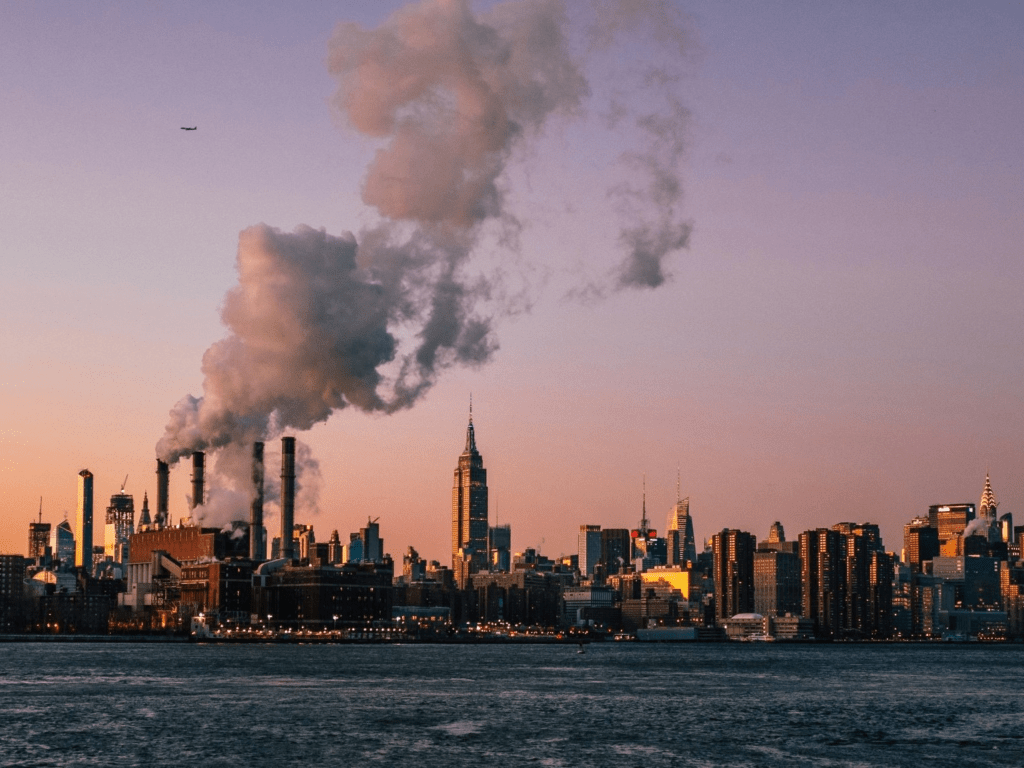
Large corporations, particularly in the fossil fuel, agriculture, and transportation sectors, are the biggest contributors to climate change. Key points include:
- The Carbon Majors Database identified companies like ExxonMobil, Shell, and Chevron as among the top emitters.
- Many corporations have been accused of greenwashing—promoting environmentally friendly initiatives while continuing harmful practices.
- Despite public commitments to sustainability, some companies have lobbied against climate policies and regulations.
3. The Role of the Ultra-Wealthy
The lifestyles of the ultra-wealthy have an outsized impact on emissions. For example:
- Private jets, yachts, and multiple luxury homes contribute significantly to carbon footprints.
- A 2021 study found that the world’s billionaires produce a million times more emissions than the average person.
Ongoing Research
The relationship between individual actions, corporate responsibility, and systemic change is a complex and evolving area of research. Key questions include:
- How effective are individual actions in driving systemic change? Some researchers argue that individual efforts can create cultural shifts that pressure corporations and governments to act.
- What policies are most effective in holding corporations accountable? Carbon taxes, emissions trading systems, and stricter regulations are among the solutions being explored.
- How can we address the emissions of the ultra-wealthy? Proposals include luxury carbon taxes and restrictions on high-emission activities like private jet travel.
Evidence
For Corporate Responsibility
- Carbon Majors Database: Highlights the disproportionate impact of fossil fuel companies.
- Corporate Lobbying: Reports show that many corporations have lobbied against climate policies.
- Greenwashing: Investigations reveal that some companies exaggerate their environmental efforts.
For Individual Responsibility
- Behavioral Change: Studies suggest that individual actions can influence social norms and drive demand for sustainable products.
- Collective Impact: Widespread adoption of energy-efficient technologies and practices can reduce emissions on a larger scale.
For Addressing Wealth Disparity
- Oxfam Study: Emphasizes the disproportionate emissions of the wealthiest 1%.
- Luxury Emissions: Research highlights the need to target high-emission activities associated with wealth.
Analysis
While individual actions are important, they are not enough to address the scale of the climate crisis. Systemic change, driven by corporate accountability and government policy, is essential. At the same time, the ultra-wealthy must be held to higher standards, given their disproportionate impact. The debate underscores the need for a multifaceted approach that combines individual, corporate, and governmental efforts.
Sources
- Carbon Majors Database
- Oxfam and Stockholm Environment Institute Study
- Project Drawdown
- BP’s Carbon Footprint Campaign
Related Theories
- Greenwashing: Claims that corporations falsely market themselves as environmentally friendly.
- Climate Change as a Hoax: Theories that climate change is exaggerated or fabricated.
- Sustainable Development Goals (SDGs): The UN’s framework for addressing global challenges, including climate change.
 The Conspiracy Library
Leave a comment