

Summary
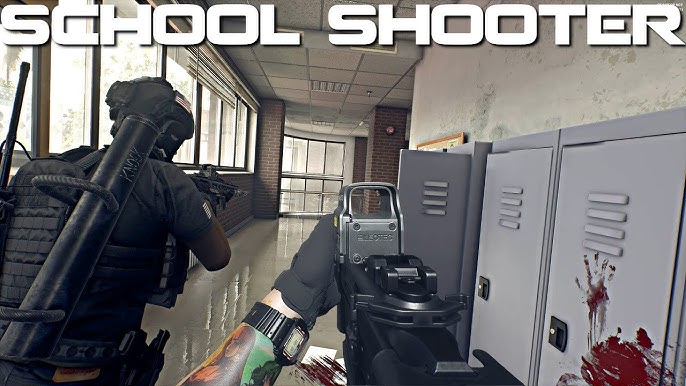
The rise of graphic first-person shooter (FPS) games has sparked debates about their impact on young children. While mainstream research often downplays a direct link between violent video games and real-world violence, unverified conspiracy theories suggest a more insidious connection. These theories claim that graphic FPS games are deliberately designed to desensitize children to violence, increase aggression, and even serve as tools for social conditioning by shadowy entities.
Background
First-person shooter games, such as Call of Duty and Fortnite, have become cultural phenomena, with millions of players worldwide. These games often feature realistic graphics, intense violence, and competitive gameplay. While many argue that they are harmless entertainment, others believe they have a profound psychological impact, particularly on young, impressionable minds. Concerns about their influence have led to calls for stricter regulations and age restrictions.
The Conspiracy
The unverified claims surrounding graphic FPS games and violence in children revolve around three key points:
1. Desensitization to Violence
Conspiracy theorists argue that graphic FPS games are intentionally designed to desensitize children to violence. By repeatedly exposing players to brutal imagery and rewarding violent behavior, these games may reduce empathy and normalize aggression. Some theorists go further, suggesting that this desensitization is part of a broader agenda to create a more compliant and militarized society.
2. Increased Aggression and Behavioral Issues
While mainstream studies often find mixed results, conspiracy theorists claim that graphic FPS games are directly linked to increased aggression and behavioral issues in young children. They point to anecdotal evidence of children exhibiting violent tendencies after prolonged exposure to these games. Some even allege that game developers are aware of these effects but continue to produce violent content for profit.
3. Social Conditioning and Control
A more extreme theory posits that graphic FPS games are tools for social conditioning and control. According to this view, shadowy entities—such as governments or corporations—use these games to manipulate young minds, preparing them for a future where violence is normalized and dissent is suppressed. This theory often ties into broader narratives about the militarization of society and the erosion of individual freedoms.
Evidence
For the Conspiracy Theory
- Anecdotal Reports: Parents and educators have reported instances of children exhibiting aggressive behavior after playing graphic FPS games.
- Game Design Elements: The use of realistic graphics, reward systems for violent actions, and competitive gameplay are seen as evidence of intentional desensitization.
- Historical Precedents: Theorists point to past examples of media being used for propaganda and social engineering, suggesting that video games could serve a similar purpose.
Against the Conspiracy Theory
- Lack of Scientific Consensus: Many studies have failed to establish a direct causal link between violent video games and real-world violence.
- Other Contributing Factors: Aggression in children is often influenced by a combination of factors, including family environment, mental health, and socioeconomic conditions.
- Entertainment vs. Reality: Most players can distinguish between game violence and real-life behavior, suggesting that the impact of these games may be overstated.
Analysis
The debate over graphic FPS games and their impact on young children is complex and multifaceted. While the conspiracy theories raise provocative questions about the potential for media to influence behavior, they often lack concrete evidence. However, they do highlight the need for further research into the psychological effects of violent video games and the ethical responsibilities of game developers.
Sources
- Moral Combat: Why the War on Violent Video Games Is Wrong by Patrick M. Markey and Christopher J. Ferguson
- Grand Theft Childhood: The Surprising Truth About Violent Video Games and What Parents Can Do by Lawrence Kutner and Cheryl K. Olson
- American Psychological Association on Video Game Violence
Related Theories
- Media Manipulation: Claims that mainstream media is used to control public opinion and behavior.
- Social Engineering: Theories that governments and corporations use psychological tactics to shape societal norms.
- Militarization of Society: Allegations that violent media is part of a broader effort to prepare populations for war and conflict.
 The Conspiracy Library
Leave a comment