
Summary
For decades, the tobacco industry knowingly concealed the health risks of smoking while manipulating scientific research and public perception. Internal documents reveal that companies like Philip Morris and R.J. Reynolds were aware of the dangers of smoking as early as the 1950s but actively worked to suppress this information. The conspiracy was eventually exposed through lawsuits and whistleblowers, leading to massive settlements and stricter regulations.
Background
In the mid-20th century, smoking was widely popular, and tobacco companies were among the most powerful corporations in the world. However, as scientific evidence linking smoking to lung cancer and other diseases began to emerge, the industry launched a coordinated campaign to discredit the research and maintain its profits.
The Conspiracy
The Big Tobacco conspiracy involved:
- Suppressing Research: Tobacco companies funded their own research to cast doubt on the link between smoking and health problems.
- Manipulating Public Perception: Through advertising and lobbying, the industry promoted smoking as glamorous and safe, targeting young people and women.
- Influencing Policy: Tobacco companies spent millions lobbying politicians and funding front groups to oppose regulation and public health campaigns.
Evidence
The conspiracy was exposed through a series of lawsuits and investigations in the 1990s. Key evidence includes:
- Internal Documents: Millions of pages of internal memos, reports, and studies showing that tobacco companies knew about the dangers of smoking as early as the 1950s.
- Whistleblower Testimonies: Former employees and scientists came forward to reveal the industry’s efforts to suppress the truth.
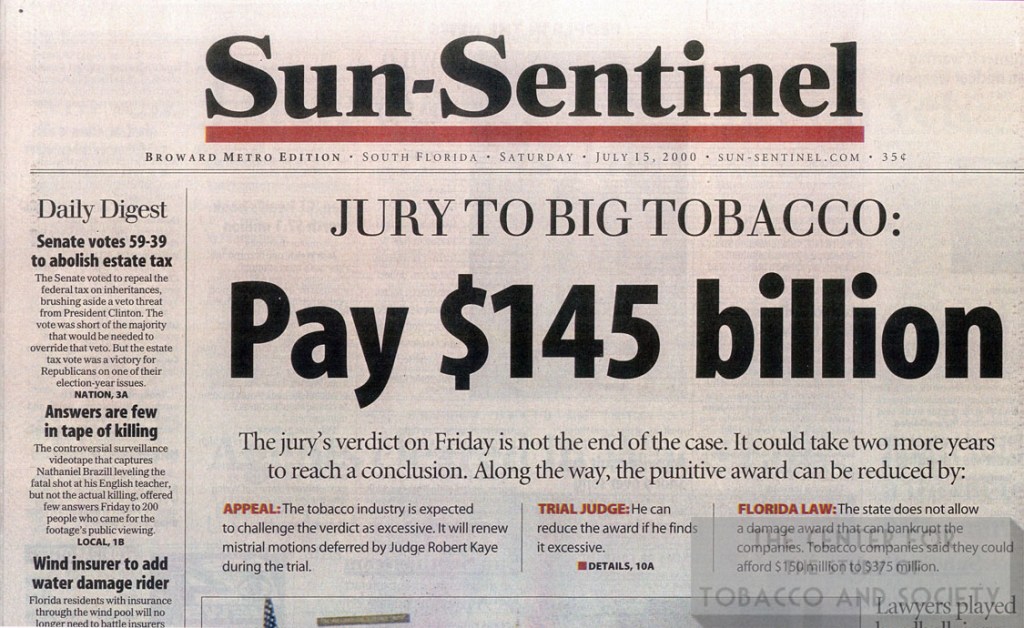
- Legal Settlements: In 1998, the Master Settlement Agreement required tobacco companies to pay $206 billion to states for healthcare costs related to smoking.
Early Conspiracy Theories
Long before the full extent of the conspiracy was revealed, there were suspicions and theories about the tobacco industry’s actions:
- 1950s and 1960s: As early as the 1950s, public health advocates and scientists began to suspect that tobacco companies were hiding the truth about smoking’s dangers. However, their claims were often dismissed due to the industry’s influence.
- 1970s: Books like The Cigarette Papers by Stanton Glantz and The Smoke Ring by Peter Taylor raised questions about the industry’s tactics, but these works were largely ignored by the mainstream media.
- 1980s: Whistleblowers like Jeffrey Wigand, a former Brown & Williamson executive, began to speak out, but their claims were often met with legal threats and smear campaigns.
Official Response
In the 1990s, the tobacco industry was forced to admit its wrongdoing as part of legal settlements. Companies like Philip Morris and R.J. Reynolds issued public apologies and agreed to fund anti-smoking campaigns. However, critics argue that these efforts were too little, too late.
Analysis
The Big Tobacco conspiracy is a chilling example of how corporate greed can endanger public health. It highlights the importance of transparency, accountability, and the role of whistleblowers in exposing the truth.
Sources
- The Truth Tobacco Industry Documents
- The Cigarette Papers by Stanton Glantz
- The Smoke Ring by Peter Taylor
- Thank You for Smoking by Christopher Buckley (a satirical take on the industry)
Related Theories
- The Sugar Industry Scandal: Similar tactics used by the sugar industry to downplay the health risks of sugar.
- Climate Change Denial: Efforts by fossil fuel companies to discredit climate science.
 The Conspiracy Library
Leave a comment