
Summary
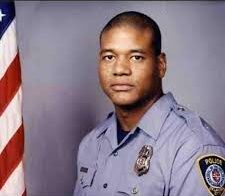
Terrance Yeakey, an Oklahoma City police officer and first responder during the 1995 Oklahoma City bombing, is remembered as a hero for his bravery in rescuing survivors from the Alfred P. Murrah Federal Building. However, his tragic death just one year later has become the subject of intense scrutiny and conspiracy theories. Officially ruled a suicide, many believe Yeakey’s death was anything but self-inflicted. Discrepancies in the forensic evidence, his reported concerns about the bombing investigation, and the suspicious circumstances surrounding his demise have led to allegations of foul play and a potential cover-up. Adding to the mystery are claims that Yeakey was being tracked and followed after witnessing disturbing scenes at the children’s hospital and underground tunnels connected to the bombing site.
Background
On April 19, 1995, the Oklahoma City bombing killed 168 people and injured hundreds more, marking one of the deadliest acts of domestic terrorism in U.S. history. Terrance Yeakey was among the first responders who risked their lives to save others, pulling four people from the rubble. His heroism earned him widespread recognition, but his life took a dark turn in the months following the attack. On May 5, 1996, Yeakey was found dead in a field near El Reno, Oklahoma, with multiple stab wounds and a gunshot wound to the head. Despite the violent nature of his injuries, his death was officially ruled a suicide—a conclusion that has been fiercely contested ever since.
The Conspiracy
Unverified claims surrounding Terrance Yeakey’s death often focus on four key areas:
1. Inconsistencies in the Forensic Evidence
Critics of the official suicide ruling point to the bizarre and contradictory nature of Yeakey’s injuries. He was found with multiple stab wounds to his arms, neck, and torso, as well as a gunshot wound to the head. Forensic experts have questioned how someone could inflict such injuries on themselves, particularly in a remote field. Additionally, reports suggest that Yeakey’s hands showed no gunpowder residue, raising doubts about the suicide narrative.
2. Yeakey’s Concerns About the Bombing Investigation
Before his death, Yeakey reportedly expressed concerns about the official investigation into the Oklahoma City bombing. Some claim he had uncovered evidence or witnessed events that contradicted the mainstream narrative, including the possibility of additional perpetrators or a broader conspiracy. These theories suggest that Yeakey’s death was orchestrated to silence him and prevent further scrutiny of the bombing.
3. Suspicious Circumstances Surrounding His Death
The circumstances of Yeakey’s death have fueled speculation about foul play. Witnesses reported seeing him in distress and attempting to seek help in the hours before his body was discovered. Some claim he was being followed or harassed by unknown individuals. Furthermore, the handling of the crime scene and the subsequent investigation have been criticized for being rushed and incomplete, leading to accusations of a cover-up.
4. What Yeakey Allegedly Witnessed: The Children’s Hospital and Tunnels
One of the most chilling aspects of the Yeakey case involves his alleged discoveries at the bombing site. According to some reports, Yeakey witnessed disturbing scenes at the children’s hospital and underground tunnels connected to the Murrah Building. These tunnels, which were part of a larger network beneath downtown Oklahoma City, have long been the subject of speculation. Some theorists claim that the tunnels were used for covert operations or to transport explosives, and that Yeakey may have seen evidence of this. After reporting his findings, Yeakey reportedly became paranoid, claiming he was being followed and monitored. This has led to theories that his death was directly linked to what he knew about the tunnels and the bombing.
Evidence
For the Conspiracy Theory
- Forensic Anomalies: The nature and extent of Yeakey’s injuries are inconsistent with a typical suicide, leading many to believe he was murdered.
- Yeakey’s Alleged Discoveries: Reports that Yeakey had uncovered troubling information about the bombing investigation, including what he saw at the children’s hospital and tunnels, suggest a motive for silencing him.
- Witness Testimonies: Accounts of Yeakey seeking help and being pursued before his death raise questions about the official timeline of events.
- Tunnel Theories: The existence of underground tunnels beneath the Murrah Building has been confirmed, though their purpose remains disputed. Some believe they were used for nefarious activities tied to the bombing.
Against the Conspiracy Theory
- Official Suicide Ruling: Authorities maintain that Yeakey’s death was a suicide, citing personal struggles and emotional trauma from the bombing.
- Lack of Direct Evidence: While there are inconsistencies, no concrete proof has emerged to definitively prove foul play.
- Emotional Toll of Trauma: Some argue that Yeakey’s actions could be explained by the severe psychological impact of his experiences as a first responder.
Analysis
The death of Terrance Yeakey remains one of the most haunting mysteries tied to the Oklahoma City bombing. While the official narrative attributes his death to suicide, the inconsistencies and unanswered questions have led many to believe that there is more to the story. The claims about what Yeakey witnessed at the children’s hospital and tunnels add another layer of intrigue, suggesting that his death may have been linked to a larger conspiracy. Whether Yeakey was silenced for what he knew or succumbed to the immense emotional toll of his experiences, his case underscores the need for transparency and thorough investigation in high-profile tragedies. The enduring speculation surrounding his death serves as a reminder of the complexities and controversies that often accompany acts of mass violence.
Sources
- CNN (2023): “Why did this cop turn up dead?”
- The New York Times (1996): “A Policeman Who Rescued 4 in Bombing Kills Himself”
- The Corbett Report – Episode 140: “Requiem for the Suicided: Terrance Yeakey”
- Investigative Reports on OKC Tunnels: Various independent investigations into the underground network beneath the Murrah Building.
Related Theories
- OKC Bombing Conspiracy: Claims that the Oklahoma City bombing involved additional perpetrators or was part of a larger government operation.
- First Responder Intimidation: Allegations that other first responders and witnesses were threatened or silenced.
- False Flag Operations: Theories that the bombing was staged or allowed to happen to advance political agendas.
- Underground Networks: Speculation about the use of tunnels and hidden facilities for covert operations.
 The Conspiracy Library
Leave a comment