

Summary
The growing divide between the ultra-wealthy and the rest of society has sparked theories about a modern oligarchy driven by greed and the need for entertainment. These unverified claims suggest that the ultra-wealthy—billionaires, corporate moguls, and elite power brokers—have created a system that prioritizes their amusement and control over the well-being of the general population. From lavish private events to exploitative economic policies, critics argue that this oligarchy thrives on spectacle and inequality, leaving the majority to struggle in a rigged system.
Background
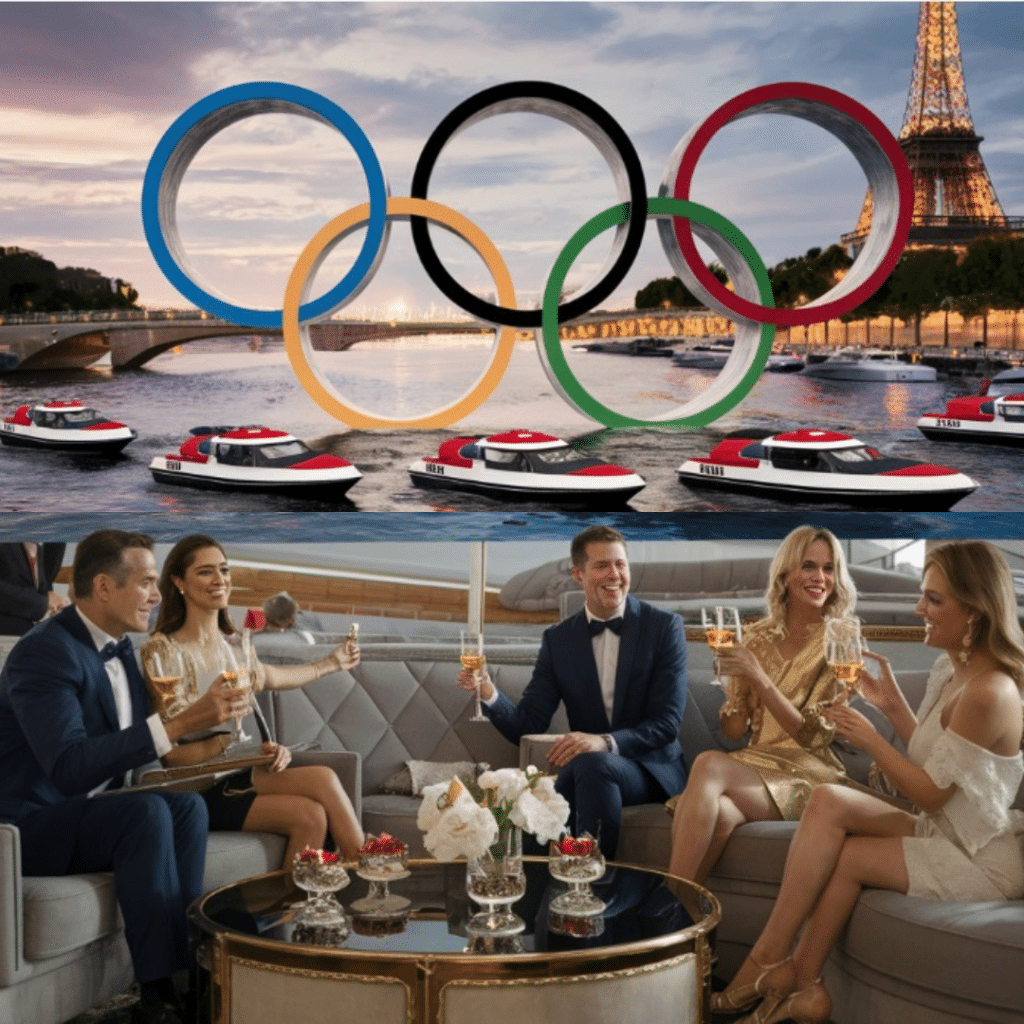
The rise of the ultra-wealthy has been a defining feature of the 21st century. According to Oxfam, the world’s billionaires have more wealth than 60% of the global population combined. This concentration of wealth has led to accusations that the ultra-wealthy operate as a de facto oligarchy, using their resources to influence politics, media, and culture. At the same time, their extravagant lifestyles—private jets, superyachts, and exclusive parties—have become symbols of excess, fueling resentment and conspiracy theories.
The Conspiracy
The unverified claims surrounding the ultra-wealthy oligarchy revolve around three key points:
1. The Spectacle of Wealth
The ultra-wealthy are accused of using their wealth to create grand spectacles that distract and entertain, both themselves and the public. From high-profile philanthropy to reality TV shows featuring billionaires, these displays are seen as a way to maintain their image while obscuring the systemic inequalities they perpetuate. Critics argue that this spectacle serves as a smokescreen, diverting attention from their exploitative practices.
2. Economic Exploitation
The theory posits that the ultra-wealthy have rigged the economic system to ensure their continued dominance. Through tax loopholes, offshore accounts, and lobbying, they allegedly manipulate policies to benefit themselves at the expense of the working and middle classes. This exploitation is said to extend to labor practices, where low wages and precarious employment keep the majority dependent on the wealthy elite.
3. Entertainment as Control
The ultra-wealthy are accused of using entertainment—both as consumers and producers—to maintain control over society. By funding media empires, sports teams, and cultural events, they shape public discourse and values. Some theorists go further, suggesting that the ultra-wealthy orchestrate global events, from financial crises to pandemics, as a form of macabre entertainment to keep the population distracted and compliant.
Evidence
For the Conspiracy Theory
- Wealth Inequality: Data from organizations like Oxfam and the Federal Reserve show that the ultra-wealthy control a disproportionate share of global resources.
- Tax Avoidance: Reports reveal that many billionaires and corporations use legal loopholes to minimize their tax contributions, exacerbating inequality.
- Media Control: A small number of billionaires own major media outlets, raising concerns about biased reporting and the manipulation of public opinion.
Against the Conspiracy Theory
- Economic Complexity: Wealth inequality is influenced by global trends like automation and globalization, not solely by the actions of the ultra-wealthy.
- Philanthropy: Many billionaires donate significant portions of their wealth to charitable causes, though critics argue this is often self-serving.
- Lack of Direct Evidence: There is no concrete proof that the ultra-wealthy conspire to create inequality or orchestrate global events for entertainment.
Analysis
The ultra-wealthy oligarchy theory reflects growing frustration with systemic inequality and the concentration of power among a small elite. While the claims are largely unverified, they highlight the need for greater transparency and accountability in economic and political systems. Whether or not the ultra-wealthy are actively orchestrating inequality, their disproportionate influence raises important questions about fairness and democracy.
Sources
- The Spectacle of Wealth: How the Ultra-Rich Control the Narrative by Jesse Welles
- Oxfam Report on Wealth Inequality
- Winners Take All: The Elite Charade of Changing the World by Anand Giridharadas
Related Theories
- Rentier Capitalism: The idea that wealth is increasingly generated through ownership rather than labor.
- New World Order: Theories about a global elite controlling world events.
- Economic Collapse Predictions: Claims that current economic systems are unsustainable and will lead to crisis.
 The Conspiracy Library
Leave a comment