

Summary
Fentanyl, a synthetic opioid, has become the leading cause of overdose deaths in the United States, claiming tens of thousands of lives each year. While fentanyl’s dangers are well documented, conspiracy theories surrounding its origins, distribution, and the forces behind the opioid crisis continue to proliferate. These theories suggest that fentanyl is not just a product of the global drug trade, but part of a larger geopolitical agenda, involving state actors, corporate interests, and political agendas that profit from addiction, societal collapse, and public division. This article examines various conspiracy theories related to fentanyl, its relationship to China, Mexico, the pharmaceutical industry, and its devastating impact on American society.
The Origins of Fentanyl: A Deadly Chemical in the Wrong Hands
Fentanyl, developed in the 1960s for medical use as a potent pain reliever, has been widely prescribed for patients experiencing chronic pain. However, over time, it has been increasingly abused, often mixed with heroin or pressed into counterfeit prescription pills. Its illicit use has exploded in recent years, leading to a spike in overdose deaths. What makes fentanyl especially dangerous is its potency — it is 50 to 100 times stronger than morphine, meaning even small doses can prove fatal.
Despite its deadly reputation, fentanyl has become a central player in conspiracy theories about the origins of the opioid crisis. Many theorists argue that the flow of fentanyl into the United States is not merely the result of market forces, but part of a deliberate plan by various actors — including foreign governments, corporations, and even domestic political elites — to destabilize the country, control its population, and profit from its misery.
China’s Role: Intentional or Accidental?
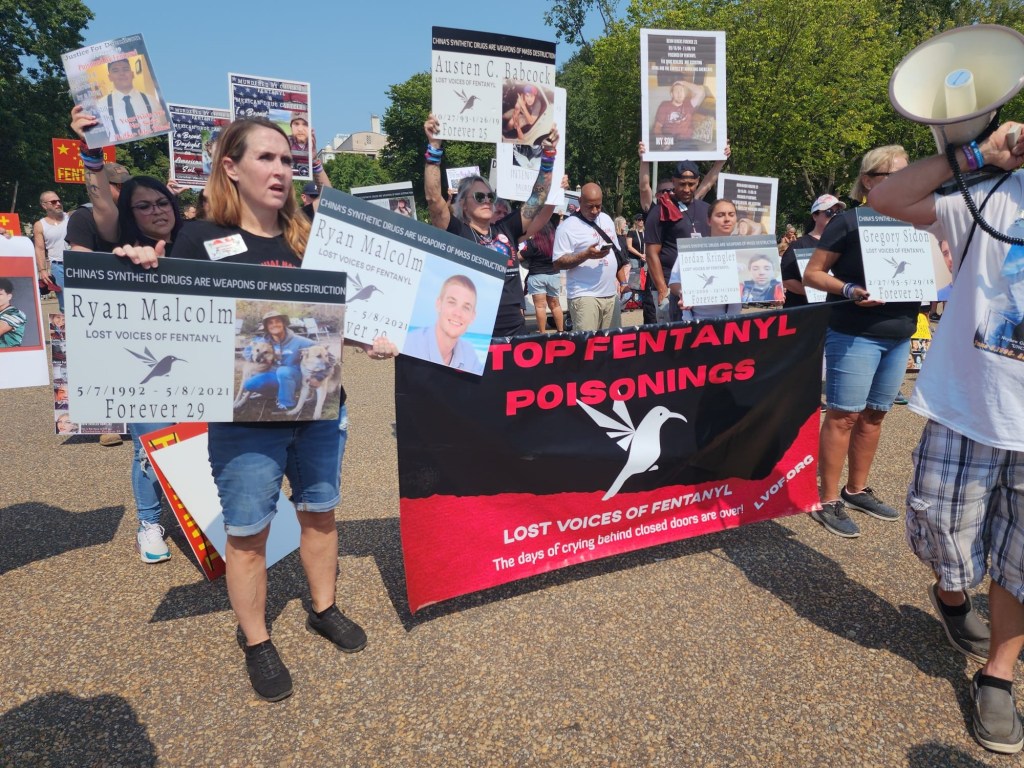
A common element in fentanyl-related conspiracy theories is the role of China. The idea that Chinese producers are deliberately flooding the U.S. with fentanyl has become a widely circulated narrative, especially in the context of the U.S.-China trade war. Some believe that the Chinese government is intentionally allowing the shipment of fentanyl precursors to Mexican drug cartels, who then process and distribute it in the U.S. This theory posits that China is using fentanyl as a weapon of economic warfare to destabilize the U.S. by fostering addiction, overwhelming the healthcare system, and exacerbating societal issues such as homelessness and crime.
The Evidence for China’s Involvement
- Chemical Precursors: China has been identified as the primary supplier of the chemical precursors used to manufacture fentanyl. Many of these chemicals are legally exported to other countries, such as Mexico, where they are processed into fentanyl and transported to the U.S.
- Lax Regulatory Oversight: Some theorists argue that China’s regulatory environment on the production and export of fentanyl precursors is either intentionally lenient or entirely absent. While China has made some efforts to crack down on the illicit fentanyl trade, these measures are often seen as insufficient or poorly enforced.
- Geopolitical Tensions: The theory further posits that China may see the opioid crisis as a strategic way to weaken U.S. society, particularly during times of trade conflict or political tension.
The Counterarguments
- Lack of Direct Evidence: There is no definitive evidence linking the Chinese government directly to the fentanyl trade. The Chinese government has repeatedly denied these allegations, pointing out that many precursor chemicals are exported legally for industrial use.
- Supply Chain Complexity: Fentanyl’s production and distribution involve multiple international actors, making it difficult to pinpoint one country or group as the sole culprit. Mexico, with its drug cartels, plays a significant role in fentanyl’s entry into the U.S.
The Role of Mexican Cartels
A critical element of the fentanyl conspiracy narrative is the role of Mexican drug cartels in the production and distribution of the drug. The conspiracy theory suggests that while fentanyl precursors may originate in China, it is the Mexican cartels that are responsible for synthesizing and transporting the drug into the U.S.
Some proponents of this theory argue that the Mexican cartels, such as the Sinaloa Cartel, are manipulating the opioid crisis to serve their own financial interests. The massive profits generated by fentanyl sales are seen as a means to fund other illegal activities, from drug trafficking to arms smuggling and even terrorism.
Evidence Supporting Cartel Involvement
- Cartel Control of the Fentanyl Trade: Cartels have been documented as the primary distributors of fentanyl in the U.S., with officials uncovering vast networks of fentanyl labs in Mexico.
- Cross-Border Smuggling: Fentanyl is often smuggled across the U.S.-Mexico border, either through traditional drug trafficking routes or more advanced means, such as submarines and tunnels.
Counterarguments
- Complexity of the Trade: The opioid epidemic is the result of many factors, and while cartels play a major role, they are part of a much broader system of global drug trafficking. Some argue that the focus on cartels diverts attention from the systemic issues within the pharmaceutical industry and governmental oversight.
The Pharmaceutical Industry’s Role: An Inadvertent Catalyst?
In addition to international conspiracy theories, many people believe that domestic interests — particularly the pharmaceutical industry — have played a significant role in creating and sustaining the opioid epidemic. From the over-prescription of painkillers like OxyContin to the unchecked rise of fentanyl analogs, critics argue that the pharmaceutical industry has not only fueled addiction but manipulated public perception to maximize profits.
Evidence for Big Pharma’s Role
- Aggressive Marketing: Pharmaceutical companies have been heavily criticized for their marketing tactics, which downplayed the risks of opioid use and pushed for increased prescriptions. The case of Purdue Pharma and OxyContin serves as a prime example of how pharmaceutical companies have contributed to the crisis.
- Lack of Accountability: Despite mounting evidence of the pharmaceutical industry’s complicity in the opioid epidemic, many companies have faced minimal legal repercussions, and in some cases, settlements that amount to little more than a slap on the wrist.
Counterarguments
- Prescription vs. Illicit Use: While the opioid epidemic was initially driven by prescription painkillers, fentanyl is largely an illicit drug, often sourced from illegal markets rather than pharmacies. Some argue that the current crisis is more a result of black market dynamics than corporate malfeasance.
Political and Economic Power: The Profit Motive Behind the Crisis
Underlying much of the fentanyl conspiracy is the idea that financial interests — whether in drug trafficking, pharmaceutical sales, or prison systems — benefit from a constant state of addiction and societal dysfunction. This view paints a picture of a deeply entrenched system in which corporations, politicians, and criminal organizations work in concert, or at least turn a blind eye to the human cost of the opioid epidemic.
The privatization of prisons, the lobbying power of pharmaceutical companies, and the military-industrial complex all contribute to a system that profits from mass incarceration, addiction, and public health crises.
Conclusion: A Multifaceted Crisis
The fentanyl crisis is a deeply complex issue that involves a variety of actors, from international drug cartels to state policies and corporate interests. While conspiracy theories abound, ranging from China’s direct involvement to the pharmaceutical industry’s role, it’s clear that fentanyl is not just the result of a single cause or group. The opioid epidemic is a multifaceted crisis that demands a comprehensive response, one that addresses not just the immediate symptoms of addiction but also the underlying forces that profit from societal harm.
Sources
- The Big Fix: Hope After Heroin by Tracey Helton Mitchell
- Dopesick: Dealers, Doctors, and the Drug Company That Addicted America by Beth Macy
- Empire of Pain: The Secret History of the Sackler Dynasty by Patrick Radden Keefe
- Drug Enforcement Administration: Fentanyl Facts
- U.S. Congressional Hearing on Fentanyl and Its Impact
Recommended Related Theories:
- The OxyContin Conspiracy: How Purdue Pharma’s aggressive marketing of OxyContin led to a nationwide epidemic.
- The War on Drugs: Analyzing the political and economic motivations behind the U.S. government’s drug policies.
- Big Pharma and Mass Incarceration: How the pharmaceutical industry and private prison systems profit from addiction.
- China’s Role in Global Drug Trade: Investigating China’s involvement in the international drug trade and its implications for U.S. public health.
 The Conspiracy Library
Leave a comment