

Introduction
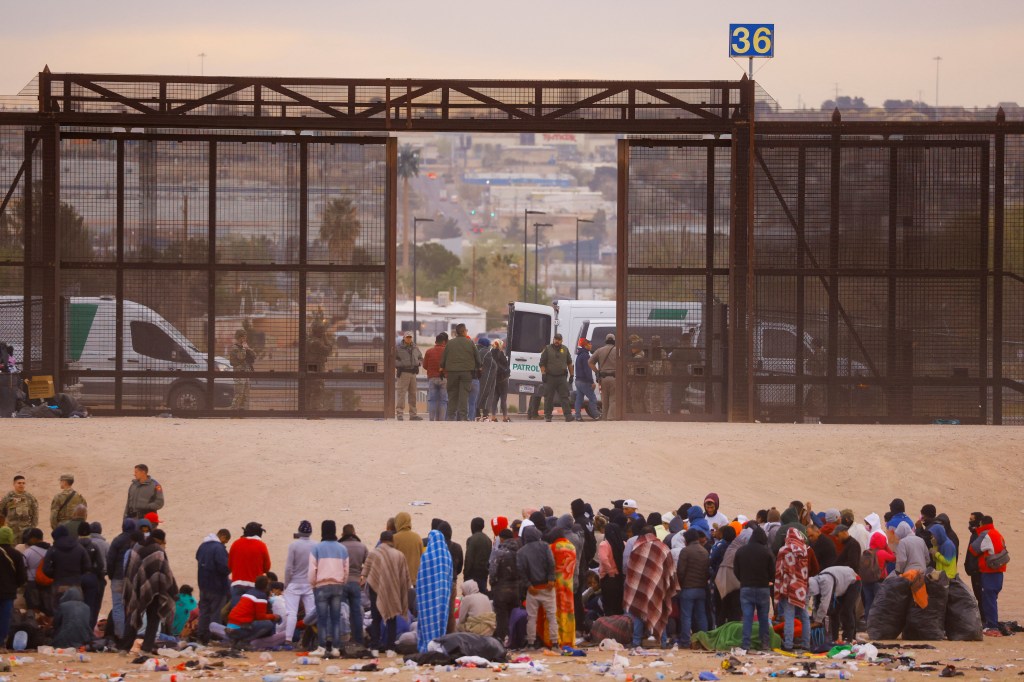
From 2020 to 2023, the U.S. southern border experienced an unprecedented influx of migrants, a surge in drug trafficking, and increasing concerns over national security. This period saw record-breaking numbers of asylum seekers from Haiti, China, and Central America, coupled with an alarming rise in cartel activities. As policy debates raged, concerns emerged over whether governmental responses were addressing the root causes or merely exacerbating the crisis.
Record Migration Numbers
According to U.S. Customs and Border Protection (CBP) data, over 2.76 million encounters were recorded at the southern border in fiscal year 2022, the highest in U.S. history (CBP, 2023). The influx included migrants from diverse regions, including:
- Haitians: Political instability and economic collapse in Haiti pushed tens of thousands to make the perilous journey through South and Central America. Many gathered at the Del Rio, Texas encampment in September 2021, overwhelming border authorities (DHS, 2022).
- Chinese Nationals: Chinese migrants, including those fleeing political persecution and economic downturns, increasingly used Latin American smuggling routes to enter the U.S. (Wall Street Journal, 2023).
- Central and South Americans: Many fled gang violence, economic hardship, and political corruption in Venezuela, Guatemala, Honduras, and Nicaragua.
Fentanyl and Drug Cartels
The border crisis also coincided with an explosion of fentanyl trafficking, largely orchestrated by Mexican cartels with Chinese chemical suppliers. According to the DEA, fentanyl seizures at the border increased by 200% between 2020 and 2023 (DEA, 2023). Key concerns included:
- Mexican Cartels: The Sinaloa and Jalisco New Generation Cartels controlled trafficking operations, often engaging in human smuggling alongside narcotics trade.
- Chinese Chemical Exports: U.S. intelligence agencies reported that China remained a major supplier of fentanyl precursors, fueling America’s opioid crisis (Congressional Research Service, 2023).
- Law Enforcement Struggles: While CBP and the DEA ramped up interdiction efforts, high demand and corruption within Mexican authorities hindered long-term solutions.
Policy Failures and Political Controversy
The U.S. government’s handling of the crisis drew bipartisan criticism. Key events included:
- End of Title 42: Originally enacted under the Trump administration, Title 42 allowed rapid expulsion of migrants due to COVID-19. Its expiration in 2023 led to an immediate surge in crossings (New York Times, 2023).
- Catch and Release: Critics argued that mass parole programs and overwhelmed detention centers resulted in the widespread release of migrants into the U.S. interior without proper vetting.
- Bipartisan Business Interests: Despite partisan rhetoric, both Democrats and Republicans had economic ties to industries benefiting from mass migration, including agriculture and private detention centers (OpenSecrets, 2023).
Geopolitical Ramifications
- U.S.-Mexico Relations: Strained relations over cartel violence and immigration policy. Mexico often resisted U.S. demands for stricter enforcement.
- China’s Strategic Interest: The PRC’s indirect involvement through fentanyl production raised questions about whether the crisis was being weaponized as a form of asymmetric warfare (Center for Strategic and International Studies, 2023).
- Economic Impact: While cheap labor from migration benefited some industries, states like Texas and Arizona faced enormous social service costs.
Conclusion
The U.S. border crisis from 2020-2023 revealed deep systemic issues in immigration enforcement, drug policy, and foreign relations. While both major political parties blamed one another, real solutions remained elusive. Without addressing the root causes—ranging from foreign policy failures to economic corruption—the crisis is likely to persist.
References
- CBP (2023). “Border Patrol Monthly Reports.” U.S. Customs and Border Protection.
- DEA (2023). “National Drug Threat Assessment.” U.S. Drug Enforcement Administration.
- DHS (2022). “Haitian Migration Surge Analysis.” Department of Homeland Security.
- OpenSecrets (2023). “Private Detention Lobbying and Immigration.”
- Wall Street Journal (2023). “Chinese Nationals Entering the U.S. via Southern Border Surges.”
- New York Times (2023). “Title 42 Expiration and Migrant Surge Analysis.”
- Center for Strategic and International Studies (2023). “China, Fentanyl, and U.S. Border Policy.”
 The Conspiracy Library
Leave a comment