

The FBI’s Presence at the Capitol on January 6
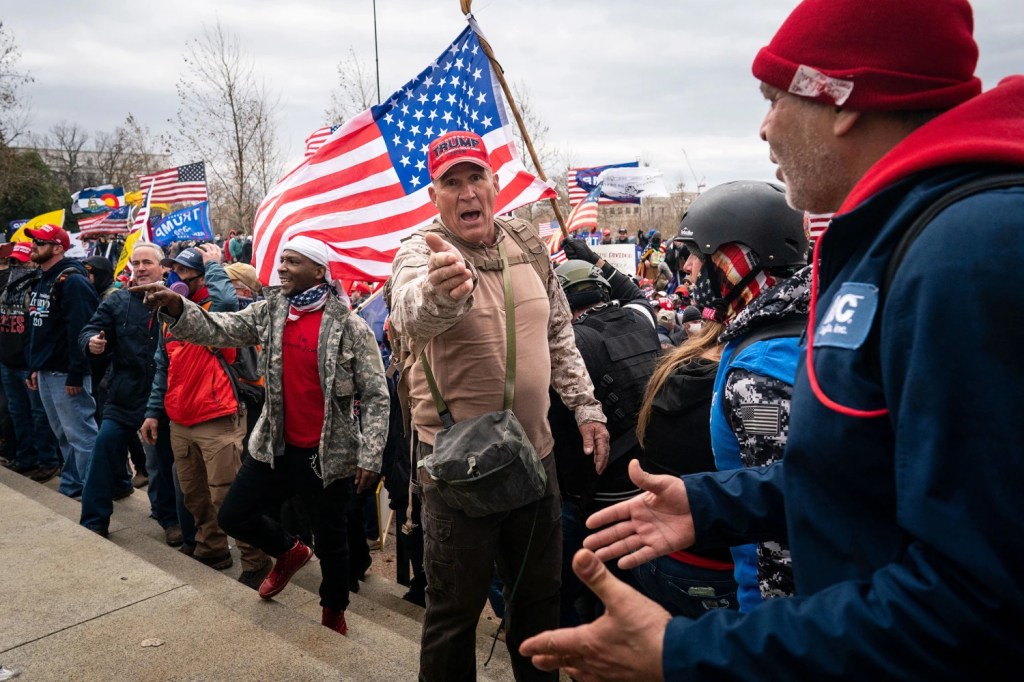
The extent of the FBI’s involvement in the events of January 6, 2021, remains a subject of scrutiny and speculation. According to a former assistant director of the FBI, the bureau had so many paid informants and undercover agents embedded within the crowd that it lost track of them and had to conduct an internal audit to determine the precise number. This revelation raises critical questions about the role of government operatives in shaping the events of that day.
Testimonies and court documents indicate that the FBI and DHS collectively had at least 38 undercover agents in the crowd, with additional assets and informants embedded within groups like the Oath Keepers and Proud Boys. Surveillance footage that could potentially expose these undercover operatives engaging in criminal activity was reportedly withheld from the public, with only censored versions later released.
The FBI’s Longstanding Strategy of Infiltration
The FBI’s entrapment and infiltration tactics did not start with January 6. Throughout history, the agency has targeted protest movements of all political affiliations, from the civil rights movement to anti-war activists, right-wing militias, and leftist groups alike.
One of the most striking examples was in the summer of 2020, when the FBI paid informant Michael Adam Windecker $20,000 to infiltrate left-wing activist groups during the George Floyd protests. Windecker encouraged violence, offered weapons, and even discussed bombing buildings—all in an effort to entrap activists. His efforts contributed to the escalation of violence, leading to over 300 arrests.
The Pattern of FBI Entrapment: From Michigan to D.C.
The January 6 events bear a striking resemblance to an earlier FBI operation in Michigan. In 2020, the FBI orchestrated a plot to “storm the Capitol” in Michigan and kidnap Governor Gretchen Whitmer. Many of the plot’s key instigators were later revealed to be FBI informants or agents. The head of the FBI field office overseeing the Michigan operation, Steven D’Antuono, was then promoted to lead the Washington, D.C., field office in October 2020—just in time for the events of January 6.
Infiltrated Groups and Unindicted Co-Conspirators
Among the most concerning aspects of FBI infiltration are the numerous unindicted co-conspirators (UCCs) who engaged in the same—or more extreme—actions as those indicted yet faced no charges. These individuals were involved in planning, instigating violence, and coordinating communication but were seemingly protected by the DOJ.
Oath Keepers
- Stewart Rhodes, the group’s founder, was eventually sentenced in 2023, but his Vice President, Greg McWhirter, was confirmed as an FBI informant and testified against him.
- Government documents identified multiple unnamed UCCs who played key roles in the breach but were never charged.
- The DHS had approximately 300 members within the Oath Keepers.
Proud Boys
- The Proud Boys had at least eight FBI informants within their ranks.
- Their leader, Enrique Tarrio, was a known FBI informant who helped turn the group more militant but was later sentenced to 22 years.
- Informants and UCCs played key roles in organizing the group’s communications and operational plans, yet many were left unindicted.
Other Individuals
- Ray Epps: A Trump supporter caught on video urging people to storm the Capitol but who was only recently charged with a minor misdemeanor, fueling speculation that he was a government asset.
- John Sullivan: A left-wing agent provocateur with a history of escalating violence, who infiltrated the protests and recorded the shooting of Ashli Babbitt.
- Megan Paradise: Another provocateur caught on video orchestrating actions inside the Capitol, yet she has not faced charges.
The Political PsyOp and the Media’s Role
Following the protests, the media and politicians aggressively pushed the narrative of a “deadly insurrection.” However, upon closer examination, the deaths attributed to the event do not align with this narrative:
- Kevin Greeson & Benjamin Phillips: Protesters who died of cardiovascular disease.
- Rosanne Boyland: Initially reported to have been trampled, but later confirmed to have died from a drug overdose.
- Brian Sicknick: Originally claimed to have died from blunt force trauma, but later revealed to have died of natural causes.
- Multiple police suicides: Unrelated to direct violence at the Capitol but still cited as “casualties” of January 6.
- Ashli Babbitt: The only person shot that day, but some argue her shooting may have been staged, with missing police evidence and an unfiled police report from the shooter.
Additionally, the mystery surrounding the pipe bombs placed outside the DNC and RNC headquarters remains unresolved, despite the FBI reportedly having crucial evidence such as license plate numbers.
Conclusion: The Slippery Slope of Political Infiltration
The events of January 6 must be examined in the broader historical context of government entrapment and infiltration operations. From COINTELPRO in the 1960s to the Michigan Capitol plot and the George Floyd protests, the FBI has repeatedly inserted operatives into political movements to manipulate and entrap participants.
Right-left rivalries have only served to strengthen these draconian measures, as each side cheers on repression when it suits their narrative. Until Americans recognize the dangers of a politicized security apparatus, the FBI and other agencies will continue to wield these tactics against any group that challenges the status quo.
The pattern is clear: the FBI doesn’t just observe—it actively shapes events, influences outcomes, and entraps citizens, creating the very crises it then claims to solve. The question is not whether government infiltration occurred on January 6, but rather, to what extent it defined the day’s events.
News Sources:
- New York Times – “The F.B.I.’s Role in the January 6 Riot: What We Know” (https://www.nytimes.com/2023/07/12/us/politics/fbi-january-6-informants.html)
- Revolver News – “Meet Ray Epps: The Mysterious January 6 Figure Who Disappeared From the FBI’s Most Wanted List” (https://www.revolver.news/2021/10/ray-epps-fbi-unindicted-january-6/)
- The Hill – “FBI Informants Were Embedded in Jan. 6 Riot, Defense Attorney Claims” (https://thehill.com/policy/national-security/567013-fbi-informants-embedded-in-jan-6-defense-attorney-claims/)
- The Intercept – “Court Docs Reveal FBI Informants Were Deeply Embedded in Proud Boys” (https://theintercept.com/2023/06/10/january-6-proud-boys-fbi-informants/)
- Newsweek – “FBI Had Informants in Jan. 6 Crowd, Exposed in Court Filings” (https://www.newsweek.com/fbi-informants-january-6-capitol-riot-trial-1781351)
Academic & Government Reports:
- Church Committee Report (1975) – Senate investigation into FBI’s COINTELPRO operations (https://www.intelligence.senate.gov/sites/default/files/94755_II.pdf)
- Georgetown Law Review – “FBI’s History of Entrapment Tactics: A Legal Analysis” (https://www.law.georgetown.edu/georgetown-law-journal/volume-107/)
- Harvard Kennedy School – “Government-Initiated Radicalization: The Role of FBI Informants” (https://www.hks.harvard.edu/publications/government-initiated-radicalization-role-fbi-informants)
- DOJ Inspector General Report (2019) – FBI’s use of confidential informants and compliance failures (https://oig.justice.gov/reports/2019/audit-fbi-use-confidential-informants)
- RAND Corporation – “Counterterrorism Strategies and Informant Reliability” (https://www.rand.org/pubs/research_reports/RR1234.html)


Leave a Reply